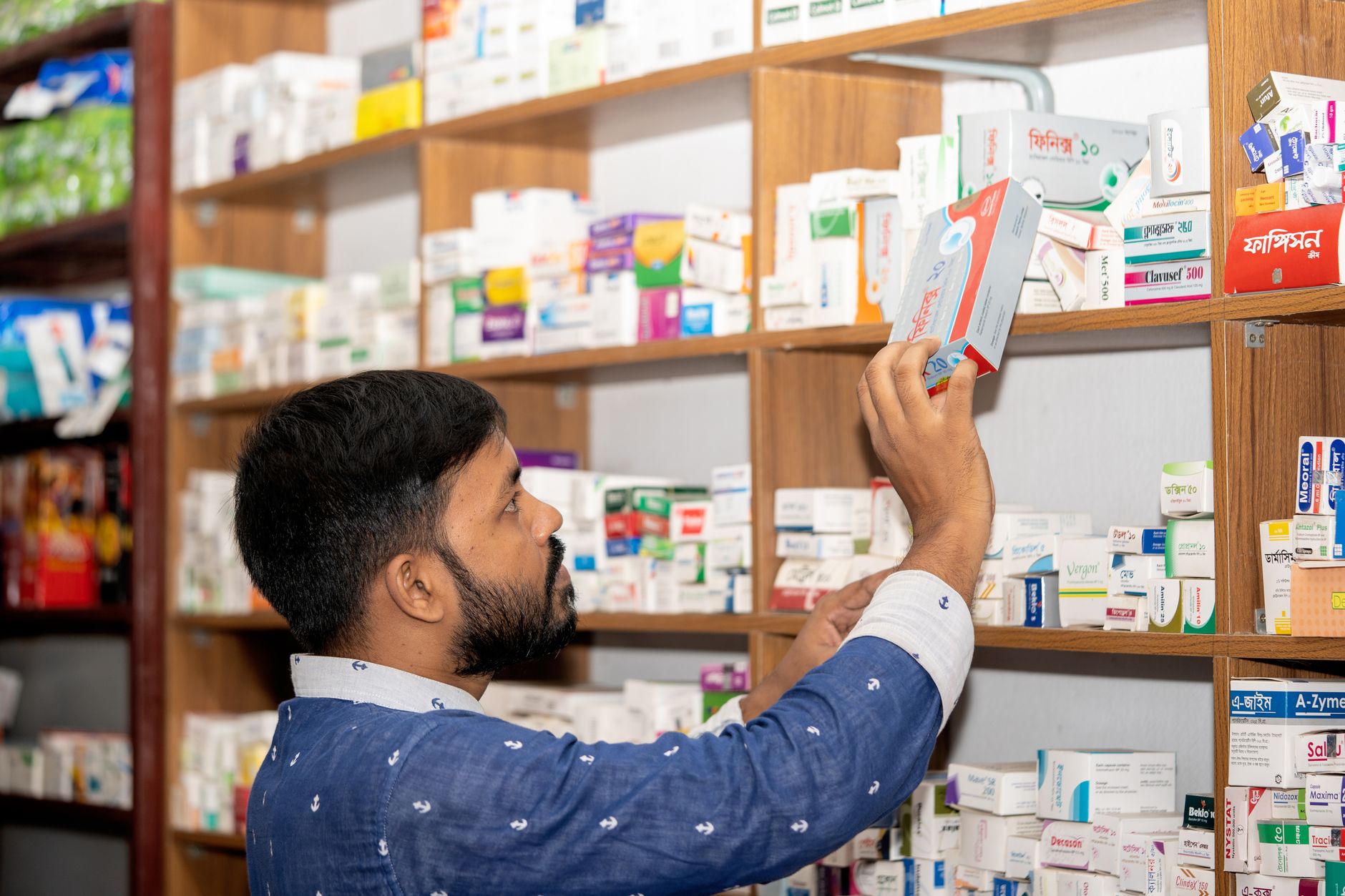
Drug approval influence has become a hot topic as Democratic Party’s Choi Jae-sung is accused of trying to sway the approval process for certain medications.
Accusations Against Choi Jae-sung
Choi Jae-sung, a prominent member of the Democratic Party, has recently faced serious accusations regarding his influence over drug approval processes. Critics allege that Choi used his political clout to sway decisions that should be based solely on scientific evidence and public health needs.
Sources close to the investigation claim that Choi’s actions may have compromised the integrity of the drug approval system. Key allegations include:
- Engaging in discussions with pharmaceutical companies to expedite approvals for specific drugs.
- Pressuring regulatory agencies to overlook safety concerns in favor of rapid market access.
- Using his position to advocate for legislation that favors certain drug manufacturers.
The implications of these accusations are profound, as they raise questions about the transparency of the drug approval process and the potential risks posed to patients. Critics assert that allowing political influence to dictate medical decisions could lead to unsafe medications entering the market, jeopardizing public health.
As the investigation unfolds, many are calling for a thorough review of the drug approval influence that political figures may hold. Advocates for reform emphasize the necessity of keeping regulatory processes free from political interference to ensure that all drugs meet rigorous safety and efficacy standards before reaching consumers.
Implications for Drug Approval Process
The recent accusations against Choi Jae-sung have raised significant concerns regarding the integrity of the drug approval process in South Korea. As new revelations unfold, it becomes increasingly clear that external influences, particularly from political figures, could undermine the trust in regulatory agencies responsible for ensuring drug safety and efficacy.
When political figures manipulate the drug approval process, the implications can be far-reaching. Patients’ health may be compromised as drugs that do not meet safety standards could enter the market. Furthermore, the credibility of the regulatory bodies tasked with overseeing these approvals could be severely damaged, leading to public skepticism about their ability to protect consumers.
Moreover, the potential influence of politicians on drug approvals can create an uneven playing field for pharmaceutical companies. This can stifle innovation, as smaller companies may struggle to compete against larger firms that are able to leverage political connections. As a result, the overall advancement of medical research and development may be hindered.
In light of these implications, it is crucial for regulatory bodies to reinforce their independence and transparency. Establishing stricter guidelines and oversight mechanisms may help mitigate the risks associated with political influence in the drug approval process, ultimately protecting the integrity of healthcare and the well-being of patients.
Political Reactions to the Allegations
In the wake of the allegations against Choi Jae-sung, political reactions have been swift and varied. Members of the Democratic Party have rallied around Choi, calling the accusations unfounded and politically motivated. “This is a clear attempt to undermine our party’s credibility,” stated one senior party official, emphasizing the need for transparency in the drug approval process.
Conversely, opposition leaders have seized the opportunity to criticize the ruling party, arguing that any hint of drug approval influence must be taken seriously. “We cannot allow political figures to manipulate the healthcare system for their own gain,” remarked a prominent opposition spokesperson. This sentiment has resonated with many constituents who are concerned about the integrity of the drug approval process.
Public opinion appears divided. A recent poll indicated that approximately 60% of respondents believe that the allegations warrant a full investigation, while 30% felt they were merely a distraction from more pressing issues. Analysts suggest that this incident could have long-lasting effects on public trust in both politicians and regulatory bodies.
As the situation unfolds, the focus remains on ensuring that drug approval influence does not compromise the safety and efficacy of new medications. Lawmakers from both sides of the aisle are calling for reforms to strengthen oversight mechanisms and restore public confidence.
The Future of Drug Regulation
The recent allegations surrounding Choi Jae-sung have brought to light critical concerns regarding the future of drug regulation and the integrity of the drug approval process. The influence of political figures on such a vital area raises questions about transparency and accountability within regulatory bodies.
As the landscape of drug approval evolves, it is essential to consider the implications of political interference. Stakeholders worry that undue influence could prioritize expedience over safety, ultimately compromising public health. The following points highlight key considerations for the future:
- Regulatory Independence: Ensuring that drug approval agencies operate free from political pressure is crucial for maintaining public trust.
- Transparency Measures: Implementing transparent processes for drug approval can help mitigate concerns about influence and allow for public scrutiny.
- Stakeholder Engagement: Involving a diverse group of stakeholders, including healthcare professionals and patient advocates, can lead to more balanced decision-making.
- Data Integrity: Upholding rigorous standards for data collection and analysis is vital to ensure that drug efficacy and safety are thoroughly evaluated.
Looking ahead, the need for reform in drug approval processes is evident. Addressing the potential for influence, like that attributed to Choi Jae-sung, is essential to foster a more trustworthy and effective regulatory environment. The future of drug regulation must prioritize the health and safety of the public above all else.
The growing concerns surrounding drug approval influence have sparked debates about the integrity of the pharmaceutical industry. Many experts argue that this drug approval influence can lead to compromised safety and efficacy standards.
Photo by SHVETS production on Pexels
References
You might also like
AstraZeneca stock reaction: Best Proven Gains After FDA Approval · GLP-1 China approval: A Proven Path for Obesity Treatment · Trusted In-Home Care Services in Northern Kentucky