

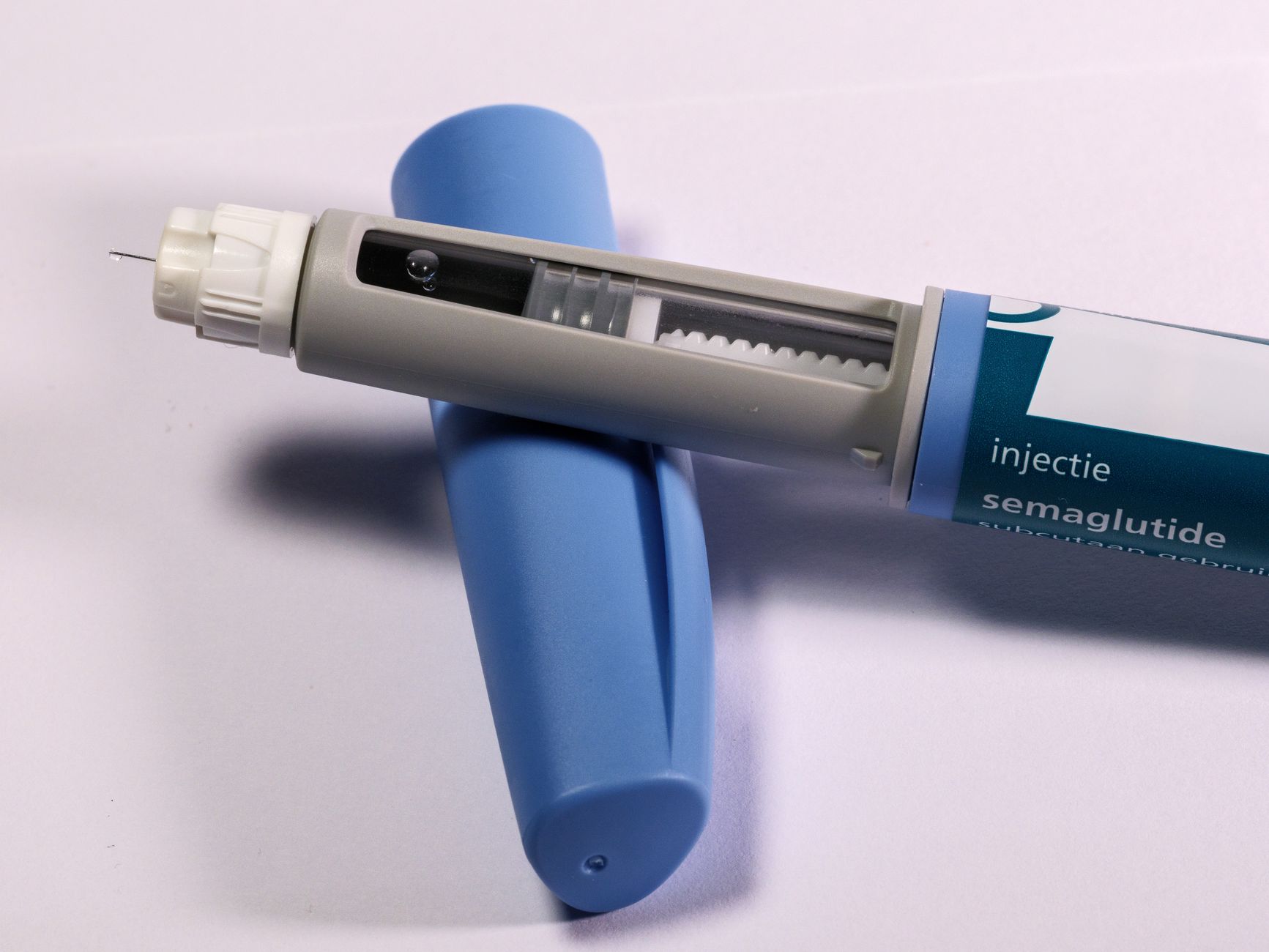
GLP-1 China approval marks a pivotal moment in the treatment landscape for obesity and diabetes. Hengrui’s collaboration with Kailera aims to introduce an innovative oral solution to the market.
Overview of GLP-1 Medications
GLP-1 medications have emerged as a groundbreaking approach in the treatment of obesity and diabetes. These drugs, which mimic the action of the glucagon-like peptide-1 hormone, help regulate appetite and insulin secretion. Their unique mechanism of action has made them a focal point in recent clinical studies, showcasing significant weight loss and improved glycemic control in patients.
With the recent advancements in the field, various pharmaceutical companies are seeking GLP-1 China approval for their innovative formulations. Among these is Hengrui, which has partnered with Kailera to file for the approval of an oral GLP-1 medication specifically targeting obesity and diabetes management. This partnership highlights the growing interest and investment in GLP-1 therapies within the Chinese market.
The benefits of GLP-1 medications extend beyond weight loss; they also contribute to cardiovascular health and reduce the risk of diabetes-related complications. As the prevalence of obesity and diabetes continues to rise in China, the approval of GLP-1 medications could play a crucial role in addressing this public health challenge.
As clinical evidence mounts, the anticipation for widespread adoption of these treatments grows, potentially transforming the landscape of obesity management in the region.
Hengrui’s Role in the Market
Hengrui Pharmaceutical is poised to play a significant role in the evolving landscape of obesity treatment in China with its recent submission for GLP-1 China approval. The company’s innovative oral GLP-1 medication, developed in partnership with Kailera, aims to provide a more convenient and effective option for patients struggling with obesity and diabetes.
The oral formulation is particularly noteworthy, as it addresses the common challenges associated with injectable GLP-1 therapies. By offering a pill-based alternative, Hengrui seeks to improve patient adherence and satisfaction, ultimately enhancing treatment outcomes. This move aligns with the increasing demand for accessible obesity treatments in China, where rates of obesity and related health issues are on the rise.
Furthermore, Hengrui’s commitment to research and development underscores its dedication to tackling obesity through innovative solutions. With the potential approval of its oral GLP-1 medication, the company not only aims to capture a significant share of the market but also to contribute to the broader public health agenda in combating obesity.
As the approval process unfolds, stakeholders will be closely watching Hengrui’s progress and its implications for the future of obesity treatment in China.
Impact of Oral GLP-1 on Patients
The recent approval of oral GLP-1 medications in China is set to significantly impact patients struggling with obesity and diabetes. These treatments offer a new avenue for effective management of weight and blood sugar levels, addressing a growing health crisis in the country.
Patients using oral GLP-1 medications have reported various benefits, including:
- Weight Loss: Many patients experience substantial weight reduction, contributing to improved overall health.
- Enhanced Blood Sugar Control: These medications help regulate insulin levels, which is crucial for diabetes management.
- Improved Quality of Life: With better weight management, patients often notice enhancements in their daily activities and emotional well-being.
Moreover, the oral formulation of GLP-1 provides a convenient alternative to traditional injections, making adherence to treatment easier for many patients. This approval underscores the commitment of healthcare innovators like Hengrui to address the pressing needs of individuals affected by obesity in China. The GLP-1 China approval marks a pivotal moment in the fight against obesity, promising a more accessible treatment option for millions.
Kailera’s Partnership Explained
Kailera, a biotechnology firm, has formed a strategic partnership with Hengrui to bring innovative GLP-1 medications to the Chinese market. This collaboration is particularly significant as it aims to address the rising obesity epidemic in China, which has become a major public health concern.
The partnership focuses on the development and approval of an oral GLP-1 medication, a novel approach that could simplify treatment regimens for patients. Unlike traditional injectable forms, this oral solution is designed to enhance patient compliance and convenience.
Under the terms of the partnership, Hengrui is responsible for regulatory filings while Kailera provides its expertise in drug development and formulation. This synergy is expected to expedite the approval process, with the recent application for GLP-1 China approval signaling a promising step forward.
As the collaboration progresses, both companies are optimistic about the potential impact of their combined efforts on obesity and diabetes management. The introduction of oral GLP-1 therapies could transform treatment landscapes, making effective solutions more accessible to patients across the country.
Regulatory Process for Approval
The regulatory process for GLP-1 China approval has been a critical pathway for advancing obesity treatments within the country. The timeline for approval is influenced by several key factors, including clinical trial results, safety evaluations, and market needs. Regulatory bodies such as the National Medical Products Administration (NMPA) are tasked with ensuring that these medications meet stringent safety and efficacy standards.
In the case of Hengrui and its partnership with Kailera, the submission for oral GLP-1 approval is a significant step forward. This submission includes extensive data from phase trials demonstrating the drug’s effectiveness in managing obesity and diabetes. The regulatory review process involves:
- Submission of clinical trial data: Comprehensive results showcasing safety and efficacy.
- Risk-benefit analysis: Assessment of potential side effects against therapeutic benefits.
- Market evaluation: Understanding the need for such treatments within the population.
As the regulatory process unfolds, the potential for GLP-1 China approval could pave the way for new treatment options, greatly impacting patients’ lives and health outcomes across the nation.
Future of Obesity Treatments in China
The future of obesity treatments in China looks promising, particularly with the recent GLP-1 China approval paving the way for innovative therapies. As more companies invest in research and development, the landscape is rapidly evolving, offering new hope to those struggling with obesity.
Healthcare professionals and patients alike are optimistic about the integration of GLP-1 medications into obesity management protocols. These medications not only target weight loss but also help in managing related metabolic disorders, creating a comprehensive treatment approach.
With the anticipated launch of Hengrui’s oral GLP-1 medication, there is a growing expectation for enhanced accessibility and convenience for patients. This oral form could significantly improve adherence to treatment regimens, making it easier for individuals to incorporate these medications into their daily lives.
Furthermore, collaborations between pharmaceutical companies, like that of Hengrui and Kailera, are essential for accelerating the development and distribution of these critical treatments. Stakeholders in the healthcare sector are closely monitoring these partnerships, as they may redefine obesity treatment protocols in China.
Expert Opinions on GLP-1 Efficacy
Experts in the field of obesity treatment have shared their insights on the efficacy of GLP-1 medications, particularly in light of the recent GLP-1 China approval. According to Dr. Li Wei, a prominent endocrinologist, “GLP-1 therapies have shown significant potential in both weight management and glycemic control, making them a dual solution for many patients.” This dual effect is critical in addressing the rising obesity rates in China, where the prevalence of diabetes is also climbing.
Dr. Zhang Hui, a researcher focusing on metabolic disorders, emphasized the importance of accessibility to these treatments. “With the approval of oral GLP-1 medications, we can expect a greater acceptance among patients due to ease of use. This will likely lead to improved adherence and better overall health outcomes,” she noted.
Furthermore, Dr. Chen Lin, a clinical trial investigator, highlighted the safety profile of GLP-1 drugs. “The extensive data supporting their safety and efficacy provides a solid foundation for the recent GLP-1 China approval, paving the way for innovative treatment options in obesity management,” he stated.
The recent GLP-1 China approval has opened new avenues for obesity treatment, providing patients with effective options. As healthcare professionals embrace the implications of GLP-1 China approval, the focus shifts to integrating these therapies into comprehensive weight management programs.
Photo by Haberdoedas Photography on Pexels
Sources
You might also like
Trusted In-Home Care Services in Northern Kentucky · The Business Case for Investing in Custom Printing Solutions · What Traders Should Know About Forex Apps for Android
