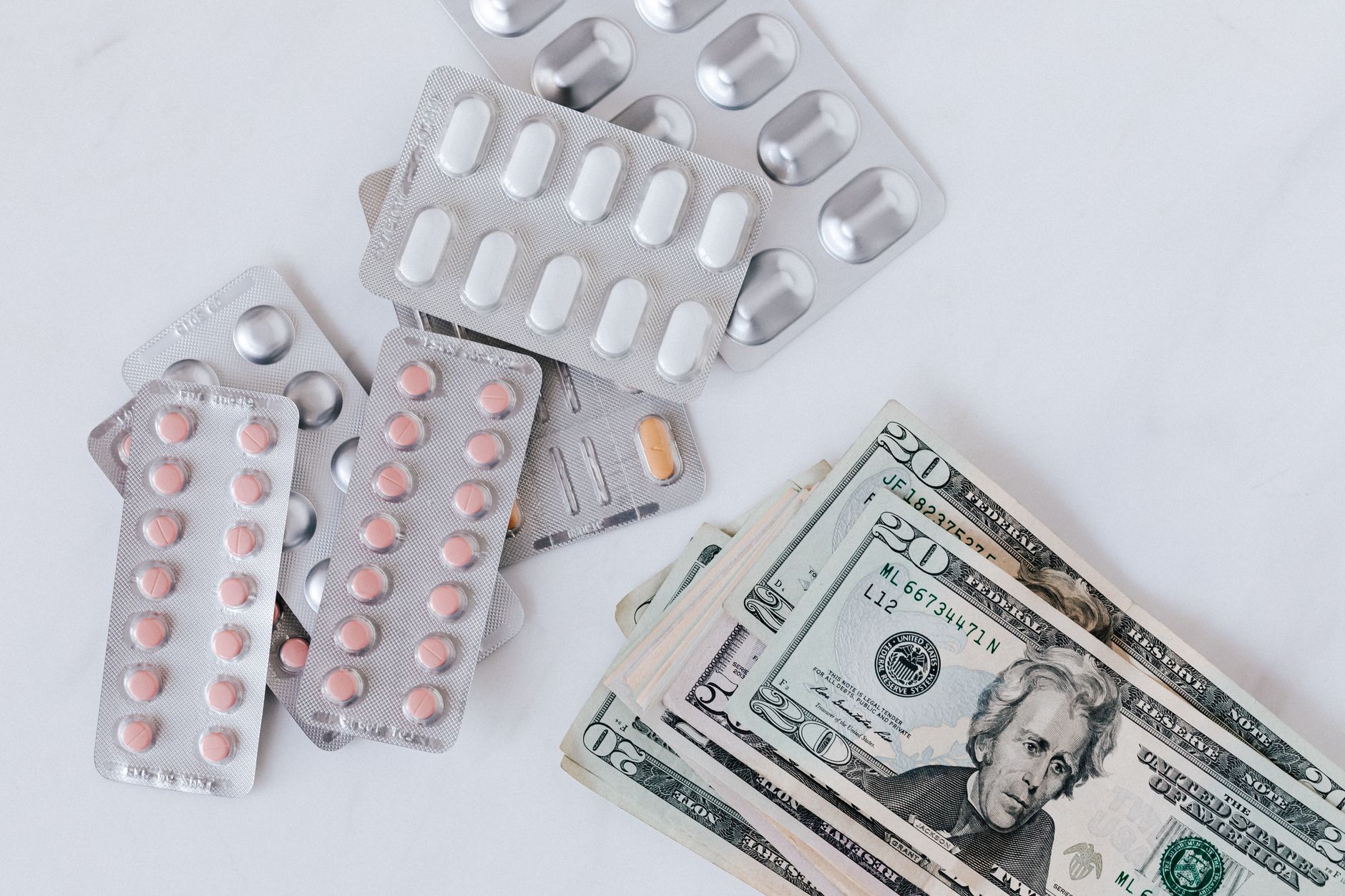
The cancer drug price cap has raised concerns among patients and healthcare providers. Despite steep cuts on generics and biosimilars, many patented drugs continue to maintain high prices.
Understanding the Cancer Drug Price Cap
The recent implementation of a cancer drug price cap has sparked significant debate among patients, healthcare providers, and policymakers. This initiative aims to provide relief from the exorbitant costs associated with cancer treatments, which have been a burden for many individuals and families. However, the effectiveness of the price cap remains questionable.
One of the primary concerns is that while there are steep cuts on generic and biosimilar medications, many patented, single-brand cancer drugs continue to maintain high prices. This discrepancy raises important questions about the real impact of the cancer drug price cap on patient access to essential treatments.
Critics argue that the price cap may not sufficiently address the needs of patients who rely on these costly medications. They emphasize that without comprehensive reforms, the cap could be seen as merely a temporary fix rather than a long-term solution.
Furthermore, the lack of transparency in pricing for cancer drugs complicates the situation, making it difficult for patients to understand the true cost of their treatments. In light of these challenges, many are left wondering if the cancer drug price cap is ultimately the worst deal for patients, especially those in urgent need of affordable care.
Impact on Patients and Healthcare
The introduction of a cancer drug price cap has sparked considerable debate regarding its impact on patients and the overall healthcare landscape. While the intention is to make treatments more affordable, the reality may be more complex.
Many patients are concerned that the price cap could lead to a reduction in the availability of certain medications. Some key points to consider include:
- Access to Treatments: A price cap might limit the variety of drugs available, particularly for those that are patented and single-brand, which often carry higher costs.
- Quality of Care: If pharmaceutical companies reduce investments in research and development due to decreased profits, the long-term innovation of new cancer drugs could be at risk.
- Impact on Generics: While generics and biosimilars see steep cuts, the cap may not effectively address the prices of more advanced and potentially life-saving treatments.
Overall, while the cancer drug price cap aims to alleviate financial burdens on patients, it may inadvertently create barriers to accessing crucial therapies. Patients must navigate these changes carefully to ensure they receive the best possible care in a rapidly evolving healthcare system.
Comparison of Generic and Patented Prices
The ongoing debate surrounding the cancer drug price cap has highlighted significant disparities between generic and patented drug prices. Patients and healthcare providers are increasingly concerned about the sustainability of treatment costs.
In many cases, generic versions of cancer medications offer a more affordable alternative to their patented counterparts. These generic drugs can be priced as much as 80% lower than the original formulations. However, the recent price cap has primarily focused on reducing costs for generics and biosimilars, leading to criticism that it may not adequately address the pricing of patented drugs.
- Patented Drugs: These are often associated with high prices due to the research and development costs incurred by pharmaceutical companies. Despite the price cap initiative, many single-brand drugs continue to maintain elevated price points.
- Generic Drugs: The availability of generics has increased competition in the market, which typically drives prices down. Nevertheless, the steepest cuts imposed by the price cap have raised concerns about the long-term viability of these alternatives.
Ultimately, while the cancer drug price cap aims to provide relief, the impact on patient access remains a contentious issue, especially when considering the stark contrast in pricing between generic and patented medications.
Government Regulations on Drug Pricing
Government regulations on drug pricing have always been a contentious issue, particularly regarding the recent implementation of a cancer drug price cap. This cap aims to control the escalating costs of cancer treatments, but its effectiveness remains debatable.
Many advocates argue that the price cap could lead to a more affordable and accessible healthcare system for cancer patients. However, critics raise concerns about potential consequences, including:
- Reduced Innovation: Pharmaceutical companies may be less inclined to invest in research and development if their profits are limited by price caps.
- Access to New Treatments: While generics and biosimilars may see price reductions, patented drugs could remain prohibitively expensive, leaving patients with limited options.
- Market Distortion: The cap on prices might inadvertently create a disparity in the availability of certain drugs, particularly those that are single-brand and patented.
As lawmakers consider the implications of the cancer drug price cap, it is crucial to find a balance that ensures affordability without stifling innovation. The ongoing dialogue surrounding drug pricing regulations will likely shape the future of cancer treatment accessibility.
Future of Cancer Treatment Affordability
The future of cancer treatment affordability remains uncertain as discussions surrounding the cancer drug price cap continue. While the price cap aims to reduce costs for patients, its long-term implications could be more complex than initially perceived.
Many experts argue that the current structure of the price cap may inadvertently stifle innovation in drug development. If pharmaceutical companies see diminished returns from their investments, they may be less inclined to invest in new, potentially groundbreaking therapies. This could lead to fewer treatment options for patients in the future.
Moreover, while generics and biosimilars are experiencing significant price cuts, the majority of patented, single-brand drugs retain high costs. This disparity raises concerns about equitable access to essential cancer treatments, particularly for those who rely on the latest therapies for their prognosis.
As the healthcare landscape evolves, patients, advocates, and policymakers must remain vigilant. They should actively engage in discussions about sustainable pricing models that ensure affordability without compromising the development of new treatments.
Ultimately, the effectiveness of the cancer drug price cap will be measured not only by immediate cost savings but also by its impact on the accessibility and quality of cancer care in the years to come.
Expert Opinions on Pricing Strategies
Experts in the pharmaceutical industry have voiced varying opinions on the implications of the cancer drug price cap. Many argue that while the initiative aims to make treatments more affordable, it might inadvertently lead to unintended consequences for patient access and drug innovation.
- Dr. Alice Thompson, an oncologist, cautions that restricting prices on patented drugs could disincentivize pharmaceutical companies from investing in new cancer therapies. “Innovation thrives in an environment where companies can recuperate their research and development costs,” she states.
- Professor Mark Sanders, a health economist, believes that the cancer drug price cap may not provide the expected savings for patients. “The cap might limit access to essential drugs, as manufacturers could choose to withdraw from the market,” he explains, emphasizing the need for a balanced approach.
- Dr. Emily Rojas, a patient advocate, highlights the importance of transparency in pricing strategies. “Patients deserve to know how these caps affect their treatment options. A price cap should not come at the cost of quality care,” she asserts.
As the debate continues, it remains crucial for stakeholders to consider both the short-term and long-term effects of the cancer drug price cap on patients and the healthcare system as a whole.
By nordique via Openverse