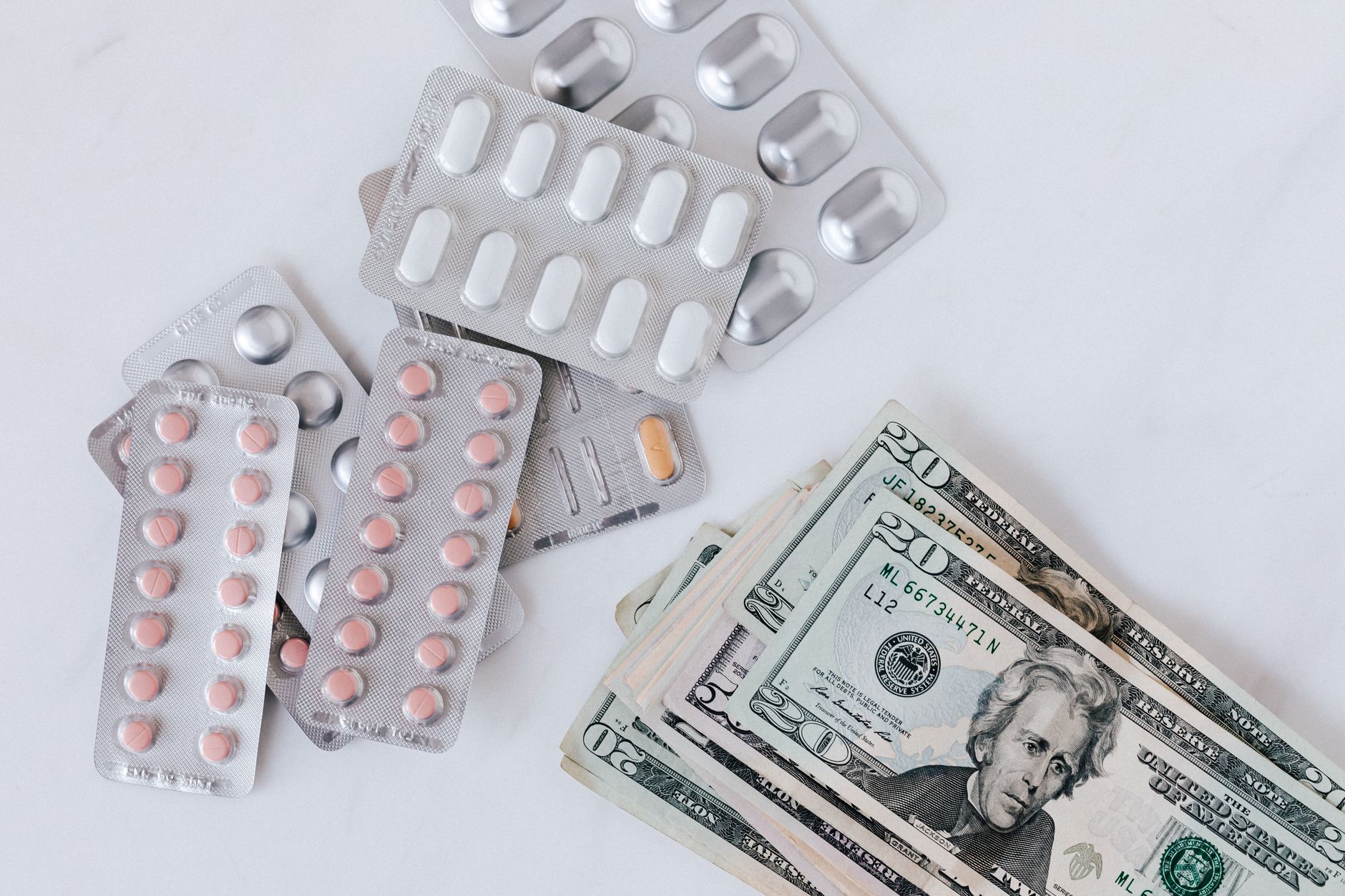
cancer drug overpricing is becoming a critical issue in the pharmaceutical industry. Recent reports highlight alarming discrepancies between the maximum retail price and actual costs.
Understanding Cancer Drug Overpricing
Cancer drug overpricing has emerged as a significant issue within the healthcare system, drawing attention from various stakeholders including governments and patient advocacy groups. Recently, a Supreme Court ruling highlighted the alarming disparity between the maximum retail prices (MRP) of certain cancer medications and their actual costs in pharmacies.
The investigation revealed that in some cases, the MRP was as much as ten times the price consumers pay at retail outlets. This staggering markup raises questions about the ethics and transparency of pharmaceutical pricing practices.
Several factors contribute to the ongoing scandal of cancer drug overpricing:
- Lack of regulation: Insufficient oversight on drug pricing has allowed companies to set exorbitant prices without accountability.
- Research and development costs: While companies argue that high prices are necessary to recoup R&D expenses, critics assert that profits often outweigh these costs.
- Market monopolies: When a single company dominates the market for a particular drug, they can dictate prices without competition.
Ultimately, addressing cancer drug overpricing is crucial to ensure that patients have access to the treatments they need without facing financial ruin.
The Impact on Patients and Families
The recent scandal regarding cancer drug overpricing has raised significant concerns about the impact on patients and families struggling with the disease. Many families are faced with the harsh reality of exorbitant costs, which can lead to difficult choices about treatment options.
Patients often find themselves in a position where they must weigh the financial implications against the necessity of life-saving medication. The burden of high prices can result in:
- Increased financial strain: Families may deplete their savings or incur debt to afford medication.
- Delayed treatments: Patients might postpone or refuse treatment altogether due to the prohibitive costs.
- Emotional distress: The stress of navigating high medical expenses can lead to anxiety and depression among patients and their loved ones.
Moreover, some families have resorted to crowdfunding and community support to cover medication costs, highlighting the desperate measures taken in light of cancer drug overpricing. This situation not only affects individual health outcomes but also raises broader questions about the ethics of pharmaceutical pricing practices.
As the scandal unfolds, it becomes increasingly clear that addressing these issues is vital for the well-being of countless individuals facing cancer.
Government Regulations on Drug Pricing
Government regulations on drug pricing play a crucial role in addressing the issue of cancer drug overpricing. In many countries, regulatory bodies are tasked with ensuring that pharmaceutical companies do not exploit patients by charging exorbitant prices for essential medications. However, the existing framework often falls short, allowing significant disparities between the manufacturer’s suggested retail price (MSRP) and the actual prices patients encounter at pharmacies.
Several key measures have been proposed to enhance oversight and transparency in drug pricing:
- Price Caps: Implementing price ceilings on essential cancer drugs to prevent unjustified price hikes.
- Transparency Requirements: Mandating companies to disclose their pricing structures and the rationale behind them.
- Negotiation Powers: Allowing government entities to negotiate prices directly with pharmaceutical companies to secure fairer deals for patients.
- Market Access Programs: Establishing programs that ensure patients can access medications without facing financial ruin.
Despite these proposed measures, the challenge remains to create a balanced approach that encourages innovation while protecting patients from the financial burden of cancer drug overpricing.
Pharmaceutical Companies Under Scrutiny
Pharmaceutical companies are currently facing intense scrutiny regarding their pricing practices, particularly related to cancer drugs. With reports indicating that some medications are priced up to ten times higher than the retail price, public outrage is growing. This scandal around cancer drug overpricing has drawn the attention of regulatory bodies and health advocates alike.
Several key factors contribute to this controversy:
- High Research and Development Costs: Companies often justify exorbitant prices by citing the significant investment needed for research and development.
- Lack of Transparency: The pricing strategies of pharmaceutical companies are often opaque, leaving patients and healthcare providers in the dark about how prices are determined.
- Market Exclusivity: Patents grant companies exclusive rights to sell certain drugs, enabling them to set prices without competition.
- Impact on Accessibility: The high cost of cancer drugs limits access for many patients, leading to difficult decisions about treatment options.
As public awareness grows, calls for reform are increasing, urging governments to implement stricter regulations to combat the issue of cancer drug overpricing and ensure fair access to essential medications.
What Can Be Done to Address Overpricing?
Addressing the issue of cancer drug overpricing requires a multifaceted approach that involves various stakeholders, including governments, pharmaceutical companies, and healthcare providers. Here are some strategies that could contribute to a solution:
- Implementing Price Controls: Governments can consider enforcing price controls on essential medications to ensure that patients can afford life-saving treatments. This could involve setting maximum allowable prices for cancer drugs based on production costs and market conditions.
- Encouraging Generic Alternatives: Promoting the development and use of generic drugs can help reduce overall prices. By providing incentives for pharmaceutical companies to create generic versions of expensive cancer medications, competition in the market can lead to lower costs.
- Enhancing Transparency: Encouraging transparency in drug pricing can help patients and providers make informed decisions. Policies that require pharmaceutical companies to disclose research and development costs, as well as pricing strategies, can lead to more accountability.
- Public-Private Partnerships: Collaboration between public health organizations and private pharmaceutical companies can foster innovation while keeping drug prices in check. This partnership can focus on developing affordable treatment options for cancer patients.
Consumer Reactions to Drug Costs
As the issue of cancer drug overpricing continues to attract attention, consumer reactions have varied significantly. Many patients and their families express frustration and helplessness in the face of exorbitant costs that seem unjustifiable, especially when life-saving treatments are involved.
In a recent survey, a significant percentage of respondents reported that the high prices of cancer drugs have forced them to make difficult choices regarding their healthcare. Some of the most common reactions include:
- Increased Financial Strain: Families are often left to bear the burden of out-of-pocket expenses that can reach thousands of dollars, leading to potential bankruptcy.
- Emotional Distress: The stress of managing treatment costs can exacerbate the mental health struggles already faced by cancer patients.
- Calls for Transparency: Many consumers are demanding clearer pricing structures from pharmaceutical companies and more transparency regarding how drug prices are determined.
Moreover, social media platforms have become a vital space for patients to share their stories and advocate for change, highlighting the urgent need to address the scandal of cancer drug overpricing that affects countless lives.
Expert Opinions on Pharmaceutical Ethics
Experts in the field of pharmacology and ethics have raised significant concerns regarding the pervasive issue of cancer drug overpricing. Many argue that pharmaceutical companies prioritize profit over patient welfare, leading to exorbitant costs that place a heavy burden on individuals and healthcare systems alike.
Dr. Emily Tran, a leading oncologist, stated, “The prices we see for cancer drugs are not justifiable when considering the marginal benefits they provide. This overpricing can lead to treatment delays and increased mortality rates.”
Additionally, Dr. Mark Jensen, a health economist, emphasized the role of market monopolies in driving prices up. He noted, “With few alternatives available, patients often have no choice but to pay these inflated prices, resulting in financial distress for families.”
Ethicists also point out that the lack of transparency in drug pricing hinders informed decision-making. “Patients deserve to understand the costs associated with their treatments, yet many are left in the dark,” remarked Dr. Sarah Patel, a bioethicist.
As discussions surrounding cancer drug overpricing continue, it is clear that a collective effort is needed to reform the pharmaceutical industry and ensure ethical practices that prioritize patient health over profits.
Future of Cancer Treatment Affordability
The future of cancer treatment affordability is increasingly uncertain as the issue of cancer drug overpricing continues to dominate discussions among healthcare professionals, policymakers, and advocates. With the escalating costs of life-saving medications, many patients are left grappling with the financial burden of treatment.
Several factors contribute to this crisis:
- Research and Development Costs: Pharmaceutical companies often cite high R&D expenses as justification for steep pricing.
- Market Exclusivity: Patents granted to drug manufacturers can limit competition, allowing them to maintain exorbitant prices.
- Lack of Transparency: Patients and insurers often struggle to understand the pricing structures, leading to confusion over costs.
As the government and advocacy groups push for reforms, the potential for new pricing models is emerging. These models aim to balance the need for innovation with the necessity of making treatments affordable. Furthermore, ongoing discussions about value-based pricing may provide a pathway to align drug costs with patient outcomes.
Ultimately, addressing cancer drug overpricing is crucial not only for patient access but also for the sustainability of the healthcare system as a whole.
Photo by https://kaboompics.com/ on Pexels