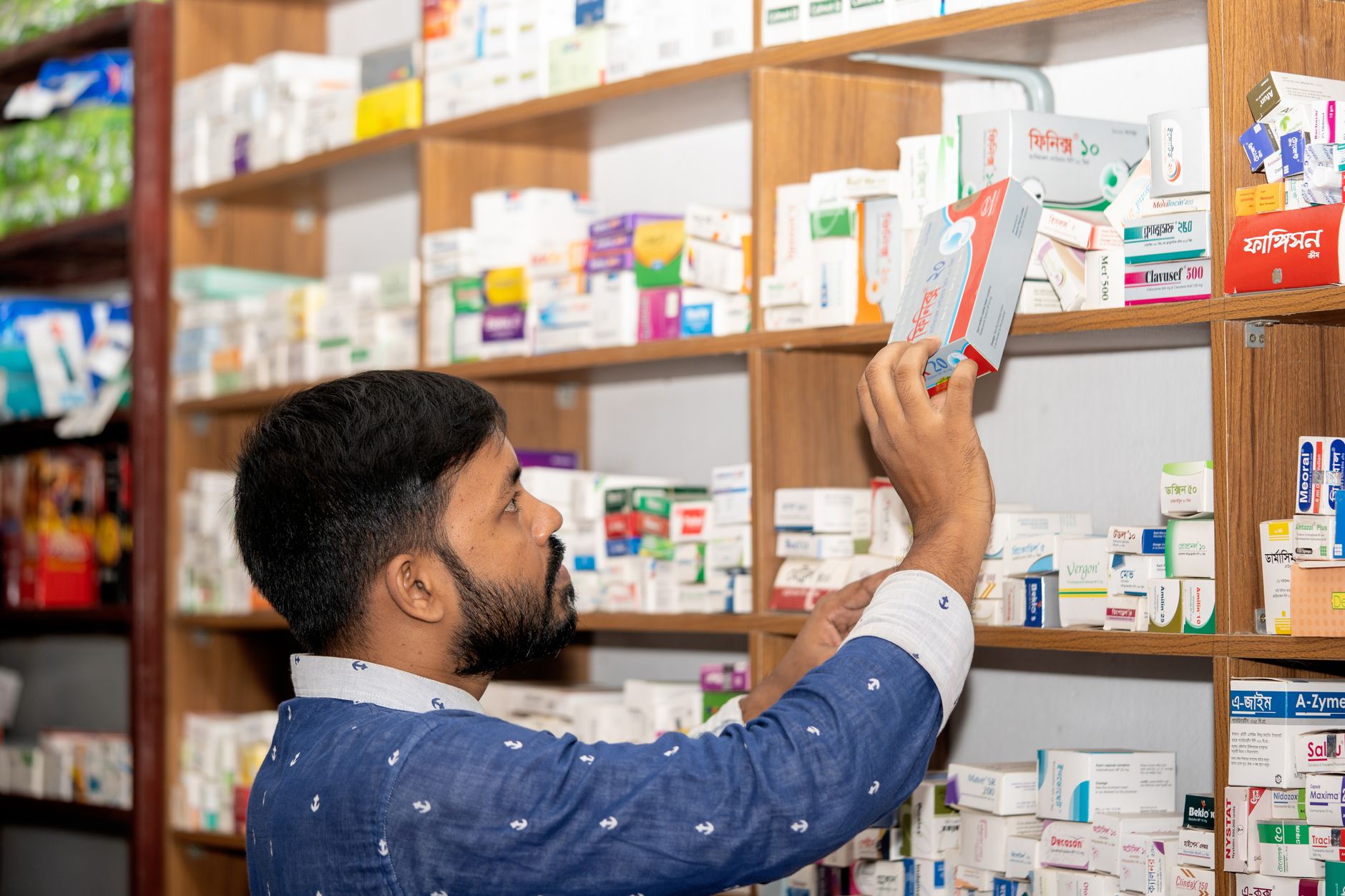
retail prices of drugs have been fixed by India’s NPPA for 34 new medications, marking a significant change in the pharmaceutical landscape.
Overview of the New Drug Prices
The National Pharmaceutical Pricing Authority (NPPA) of India has recently announced significant changes in the retail prices of drugs, impacting a total of 34 new medications. These adjustments aim to ensure affordability and accessibility for patients requiring essential treatments.
Among the drugs affected, several cater to chronic conditions such as diabetes, cardiovascular diseases, and respiratory disorders. This move is part of the government’s ongoing efforts to regulate the pharmaceutical market and keep healthcare costs manageable for the average citizen.
Key changes include:
- The introduction of price caps on specific essential medications.
- A reduction in costs for previously unregulated drugs.
- Enhanced transparency in the pricing structure, promoting better understanding among consumers.
Healthcare professionals have welcomed these changes, emphasizing the importance of reasonable retail prices of drugs in ensuring that patients do not have to choose between financial stability and necessary medical care. As these new prices come into effect, patients and pharmacies are encouraged to stay informed about the adjustments to make informed decisions regarding their health and wellbeing.
Impact on Consumers
The recent adjustments to the retail prices of drugs have significant implications for consumers across India. As the National Pharmaceutical Pricing Authority (NPPA) implements these changes, patients and healthcare providers are poised to experience a variety of outcomes.
One of the primary effects is the potential decrease in out-of-pocket expenses for essential medications. With the retail prices of drugs being regulated, many commonly used medicines may now be more affordable. This could lead to improved access for patients who previously struggled to afford necessary treatments.
However, there are also concerns regarding the availability of certain drugs. Some manufacturers may face challenges in maintaining supply levels due to the new pricing structure, which could lead to shortages in the market. Consumers may find it difficult to locate specific medications, particularly those that are less commonly prescribed.
Furthermore, the changes in retail prices of drugs might influence patient behavior. Some individuals may opt for generic alternatives or explore different pharmacies to secure the best prices, leading to a broader shift in consumer purchasing patterns.
In conclusion, while the NPPA’s new pricing regulations aim to enhance affordability, the overall impact on consumers will depend on the market’s response and the ongoing availability of essential medications.
What the NPPA’s Decision Means
The recent decision by the National Pharmaceutical Pricing Authority (NPPA) to fix the retail prices of 34 new drugs signifies a notable shift in the pharmaceutical landscape. This move aims to enhance accessibility and affordability, especially for essential medications. By regulating the retail prices of drugs, the NPPA seeks to ensure that consumers do not face exorbitant costs when accessing life-saving treatments.
One immediate effect of this decision is the stabilization of prices for certain medications that have previously seen fluctuations. Many patients have expressed concern over the rising costs associated with critical therapies, and this action provides a much-needed relief. The NPPA’s regulation is particularly important for low-income families who often struggle to afford necessary prescriptions.
Moreover, the NPPA’s initiative could encourage pharmaceutical companies to innovate while also adhering to price controls. This balance between profit and public health is crucial for maintaining a sustainable healthcare system in India. As stakeholders in the industry assess the long-term implications, it is clear that the retail prices of drugs will play a pivotal role in shaping access to healthcare for millions of citizens.
Key Changes in the Pharmaceutical Market
The pharmaceutical market is undergoing significant changes as a result of the latest pricing decisions. According to the National Pharmaceutical Pricing Authority (NPPA), the retail prices of drugs will now reflect a more regulated approach aimed at enhancing accessibility for consumers.
Some of the key changes introduced include:
- Increased Transparency: The NPPA has committed to making the pricing process more transparent, allowing consumers to better understand the costs associated with various medications.
- Price Caps: Certain essential drugs will now have mandatory price caps, ensuring that retail prices of drugs remain affordable for the general public.
- Regular Reviews: The NPPA plans to conduct regular reviews of drug prices, adjusting them in accordance with market fluctuations and inflation rates.
- Support for Generic Drugs: The new pricing strategy encourages the use of generic medications, which are often less expensive alternatives to brand-name drugs.
These changes are expected to alleviate some of the financial burdens on consumers while promoting a healthier competitive environment among pharmaceutical companies. As the NPPA implements these reforms, it remains essential for consumers to stay informed about the evolving retail prices of drugs.
Future of Drug Pricing in India
The future of drug pricing in India is poised for significant evolution, particularly following the latest decisions by the National Pharmaceutical Pricing Authority (NPPA). With the new retail prices of drugs now established for 34 new medications, stakeholders across the healthcare spectrum are examining the implications for both consumers and the pharmaceutical industry.
Experts suggest that the NPPA’s proactive measures may lead to a more transparent pricing model, ultimately benefiting consumers who have long struggled with high medication costs. As the regulatory body tightens its grip on pricing, it is anticipated that pharmaceutical companies will adjust their strategies to align with the new guidelines.
The focus will likely shift toward ensuring that essential medicines remain affordable, with an emphasis on competitive pricing. Furthermore, as generic drugs gain traction, their role in stabilizing the market and reducing overall retail prices of drugs cannot be overlooked.
In the coming years, continued scrutiny from both governmental and non-governmental organizations will be crucial in maintaining fairness in pricing practices. This ongoing dialogue is expected to foster a more equitable healthcare environment, where access to necessary medications becomes a reality for all segments of the population.